GFRP Rebar | Composite Rebar

An excellent alternative to metal rebars: sturdy, robust, and lightweight

What is Glass Fiber Reinforced Polymer Rebar?

GFRP rebar, an innovative building material, serves as a superior alternative to steel reinforcement in concrete reinforcement projects. This fiber reinforcement bar, consisting of multiple fiberglass threads saturated with a thermo-reactive epoxy resin, exhibits exceptional mechanical properties. The rebar’s surface, designed with a ribbed or spiral pattern, enhances the concrete effect by improving adhesion between the rods and concrete or bituminous solutions.

Composite reinforcement, including GRP / FRP Rebar, boasts superior durability for building structures due to its high corrosion resistance and chemical resistance. Its impressive tensile strength allows it to withstand heavy loads, making it an ideal choice for construction projects where the weight of steel is a concern. Moreover, its non-conductive nature makes it suitable for specific applications, offering an alternative to traditional steel reinforcement that addresses the major corrosion issue associated with metal rebars.

The lightweight nature of GFRP composite rebar, coupled with its low thermal conductivity and resistance to harsh environments, underscores its advantage over alternative materials. These rebars, available in standard sizes, can be easily cut and bent to fit any desired shape, significantly reducing transportation and installation costs. Their use in construction projects shortens the construction period and extends the service life of structures due to their corrosive immunity.

Our professional glass fiber rebar supplier offers rebars produced on an automated manufacturing line with state-of-the-art technological equipment. We ensure competitive prices and high-quality products by utilizing raw materials from reputable European suppliers and adhering to the latest regulations.

OUR REBARS IN NUMBERS

icon-1
Bar diameter

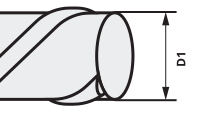
2 mm – 24 mm

icon-2
Density

2,2 g/cm³

icon-3
Tensile Strength

≥ 1100 MPa

icon-4
8 mm rebar weight

0,112 kg/m

icon-5
Standard Length Coils

50m, 100m

icon-6
Standard Length Bars

3m, 6m, other – on request

icon-7
Standard Coil Size

800mm, 1000mm, 1300mm

icon-8
Meters Per Pallet (coils)

Up to 8500m

icon-9
Bars Per Pack

Up to 500pcs

icon-10
Service Life

100 years

iso_9001-01-01
Certification

ISO 9001

Areas of Application of FRP Rebar

Outperforming Steel, Outlasting Time: Composite Rebar is the Ultimate Solution

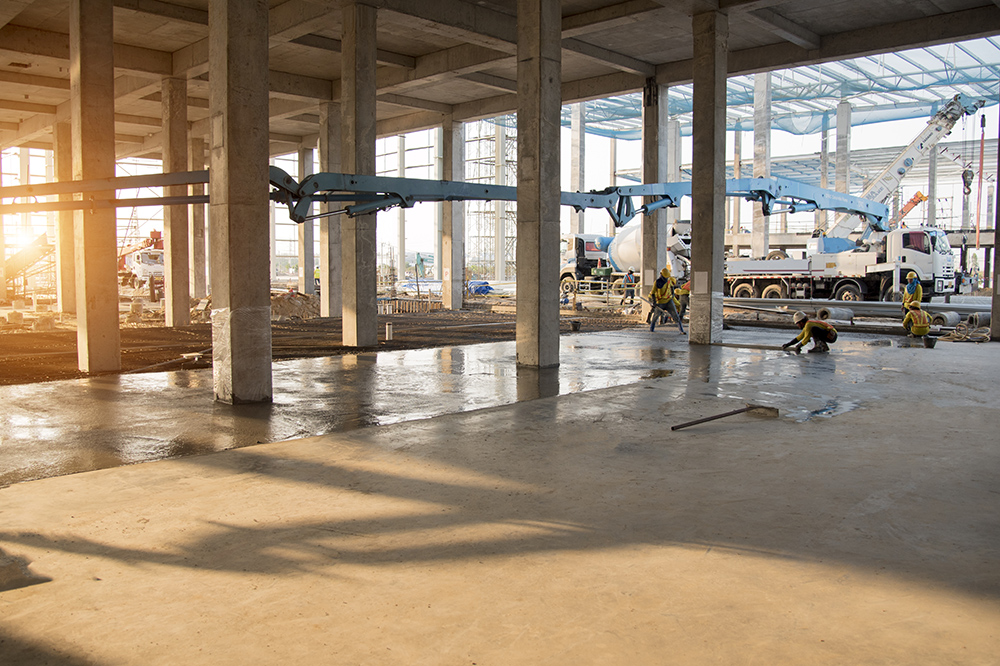
Reinforced with GFRP rebar of foundations and walls

Concrete structure new construction site for background

The reinforcement of foundations and walls is a critical aspect of ensuring the stability and durability of any construction project. Traditionally, this has been the domain of steel rebars, but the advent of GFRP composite rebar has revolutionized this practice. Thanks to its fiber reinforcement, GFRP rebar offers a robust alternative to steel reinforcement, significantly reducing the risk of corrosion and enhancing the concrete effect. This makes it particularly suitable for construction projects in corrosive environments or where long-term durability is crucial.

Road and bridge construction

rebar_bridge-constructions

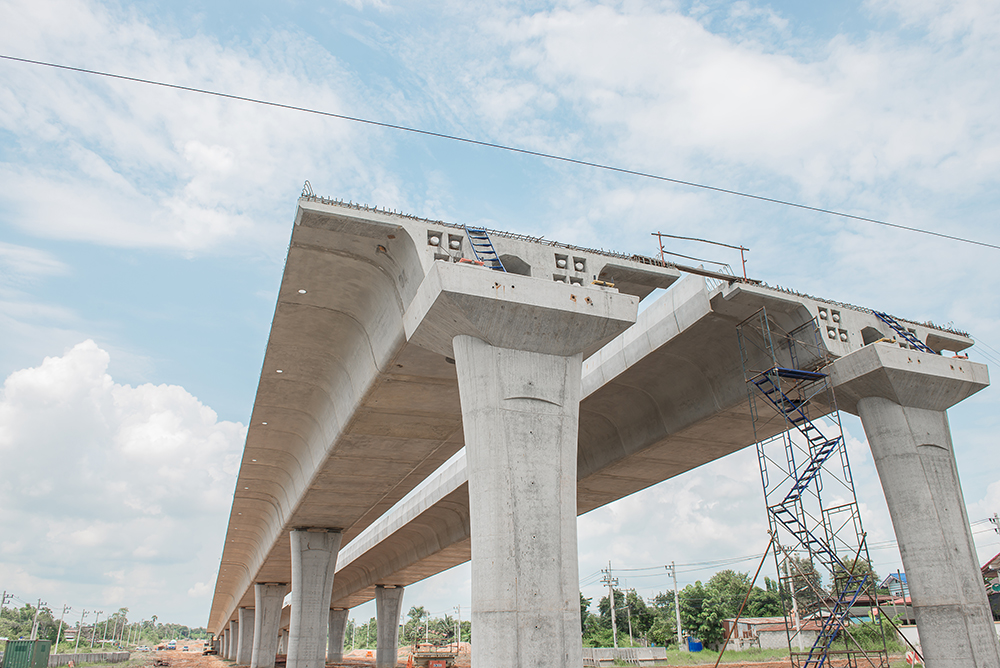
 In the realm of road and bridge construction, including bridge decks, the use of GFRP rebar is increasingly becoming the norm. Its superior chemical resistance, combined with excellent mechanical properties, makes it an ideal choice for structures exposed to de-icing salts or marine environments. The lightweight nature of GFRP rebar simplifies handling and installation, reducing overall project costs while ensuring that the physical property of the constructed object meets the highest standards of safety and durability.

Shore and Water Object Reinforcement

rebar-water_object

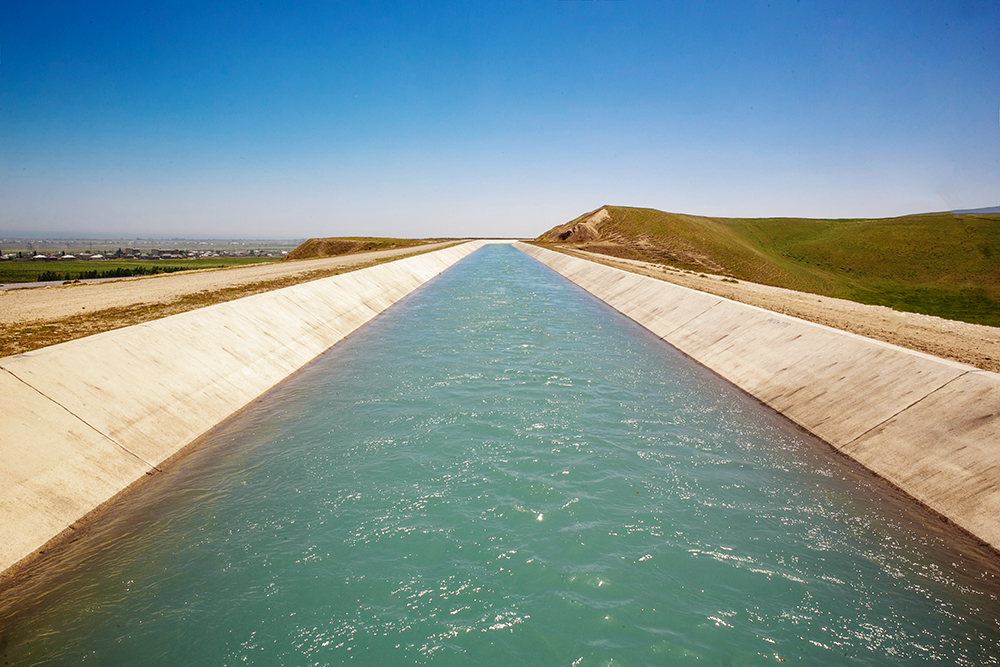
For shore and water object reinforcement, such as piers, docks, and seawalls, GFRP rebar is unmatched. Its resistance to the corrosive effects of saltwater and its high strength-to-weight ratio make it a superior choice over traditional steel reinforcement. The innovative building material of GFRP rebar, with its fiber reinforcement, ensures that structures remain intact and functional even under the most challenging conditions, addressing the major corrosion issue associated with metal rebars.

FAQ

How to calculate concrete amount for composite rebar compared to steel rebars

Empower your construction project with REBARMAT® tips on utilizing GFRP rebar. When calculating the concrete amount for composite rebar compared to steel rebars, consider the rebar diameter and the weight difference. GFRP rebar’s lightweight nature not only eases its handling but also contributes to a reduction in the overall weight of the construction, potentially lowering the foundation requirements.

How to tie and calculate overlap amount for GFRP bar

Calculating the overlap amount for GFRP bar involves understanding its unique physical properties. Unlike traditional steel reinforcement, GFRP rebar requires different considerations due to its distinct mechanical properties. The overlap amount, typically determined by the rebar diameter and the specific project requirements, ensures a continuous strength throughout the construction, enhancing the concrete effect and the overall integrity of the structure.

What is the overlap amount according to Eurocode2 for steel rebars and composite rebars

According to Eurocode 2, the minimum overlap length for steel reinforcement bars is typically specified as 50 times the diameter of the bar. For composite reinforcement bars, such as GFRP (Glass Fiber Reinforced Polymer) rebars, the overlap length can differ due to their different mechanical properties compared to steel. While Eurocode 2 provides general guidance, specific recommendations for GFRP rebars might vary and should be consulted in the relevant product technical specifications or guidelines provided by manufacturers. However, it’s commonly suggested that the overlap for GFRP rebars should be at least 40 times the diameter of the bar, but this can vary depending on the specific application and the design requirements.

What is the lifespan of GFRP rebar?

The lifespan of GFRP rebar can significantly exceed that of traditional steel reinforcement due to its superior corrosion resistance. GFRP rebars are not susceptible to corrosion in aggressive environments, such as those exposed to chlorides or alkaline conditions. Consequently, GFRP rebars can have a lifespan of over 100 years in optimal conditions, making them an excellent choice for long-term infrastructure projects where durability and minimal maintenance are critical.

Is GFRP stronger than steel?

GFRP rebars have a higher tensile strength than steel rebars but lower modulus of elasticity. This means that while GFRP can withstand greater tensile forces before failing, it will deform more under the same load conditions compared to steel. The “strength” of a material is context-dependent, involving factors like tensile strength, fatigue resistance, and stiffness. For applications where tensile strength is the primary concern, GFRP can be considered stronger. However, for applications where stiffness and elastic behavior are crucial, steel might be the preferred option.

Is fiberglass rebar cheaper than steel rebar?

The initial cost of fiberglass (GFRP) rebar is generally higher than that of steel rebar. However, when considering the total cost of ownership, including maintenance, durability, and lifespan, GFRP rebar can be more cost-effective in the long run. The use of GFRP rebars can lead to lower maintenance costs, reduced need for repairs or replacements, and longer service life for the structure, especially in corrosive environments where steel rebar would require more frequent replacement. Therefore, while the upfront cost is higher, the long-term savings can make GFRP rebar a more economical choice for certain projects.